01
Can you decorate an envelope and still mail it?
Yes—USPS can mail a decorated envelope when the completed piece stays readable, flat, flexible, and securely closed. Write or print the complete destination and return address first. Use strong contrast, leave comfortable spacing between lines, and avoid placing patterned tape, glossy stickers, or illustrations underneath the text.
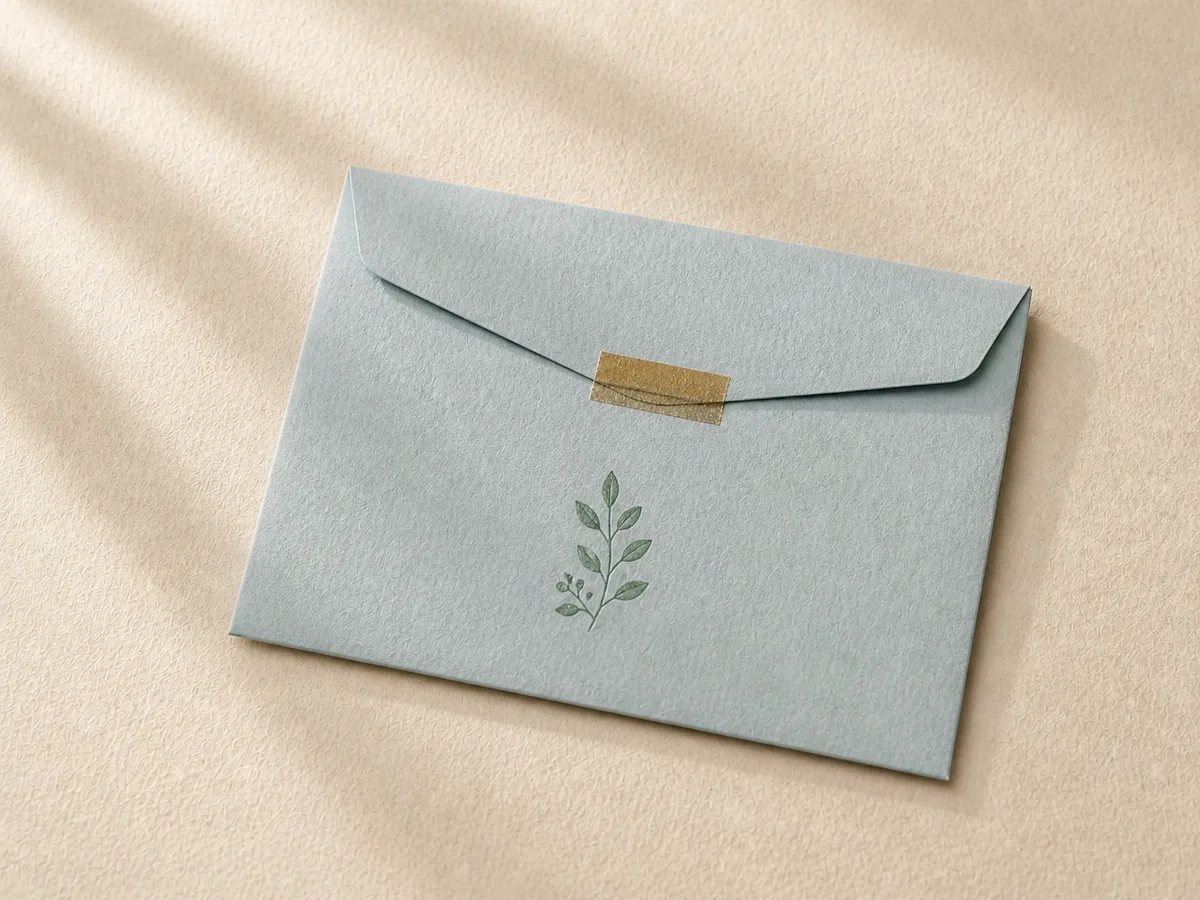
Postage, address information, and any required postal markings need clear space. If a decorative element makes you hesitate about where to look first, move it to the back flap or inside the letter.
02
Keep the outside flat, flexible, and secure
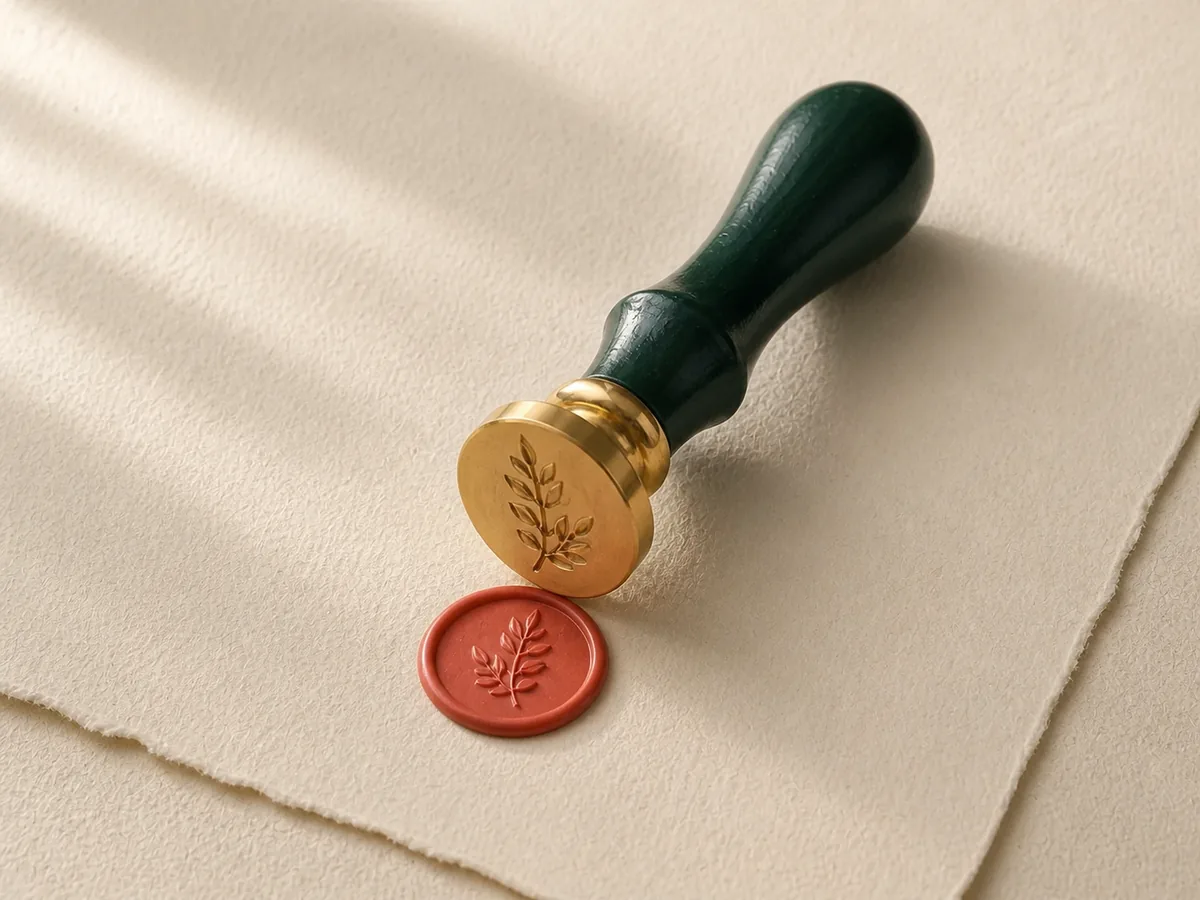
Raised gems, loose string, thick layered collage, and brittle exterior seals can create snags or uneven pressure. Flat stickers, drawings, paper tape, and a restrained stamp arrangement usually travel with less drama.
Secure every edge. Decoration should not lift, shed, cover the opening, or become the only thing holding the envelope closed.
- Use permanent adhesive on every paper edge
- Keep loose fibers, charms, and bulky knots inside
- Avoid glossy material beneath machine-readable text
- Finish the address before placing decorative elements
03
Measure the finished letter, not the empty envelope
Postal rules apply to the final piece. A normal envelope can become rigid, lumpy, too thick, or unusually shaped after you add several enclosures and an exterior seal.
For an important invitation or international letter, prepare one complete sample and ask the relevant postal service about current postage, processing, and customs requirements before producing the rest.